How Architecture Inspired Jewelry Became the Coolest Thing in Fashion
By admin
Published on 2025-11-17 16:00:00
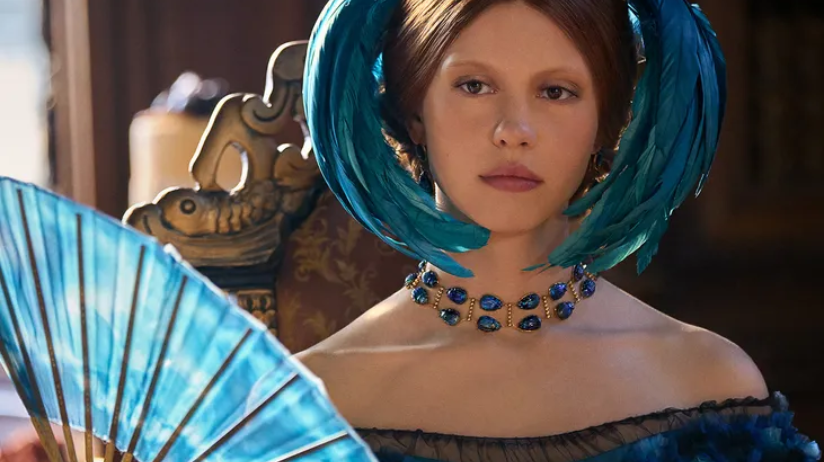
Jewelry is entering a new era where structure meets style. This blog explores how the lines, textures and geometry of architecture are transforming jewelry.
Jewelry has always been a form of self-expression, but lately, it has started speaking a different language, the language of architecture. Think of clean lines, deliberate asymmetry, and pieces that look less like accessories and more like miniature structures. Architecture inspired jewelry is officially having a moment, and it's not hard to see why.
This isn’t just a trend among niche designers or avant-garde fashion circles. It’s popping up everywhere, from the runways of Paris to your favorite online boutiques. Angular rings, sculptural earrings, and cuff bracelets that mimic steel beams or concrete forms are now must-haves in any in season jewelry edit.
What Architectonic Jewelry Actually Means
At its core, architecture inspired jewelry takes cues from the principles of building design. That includes form, structure, balance, material, and negative space. These pieces are often defined by sharp silhouettes, geometric forms, and unconventional design philosophies that challenge traditional jewelry aesthetics. It’s not just jewelry. It’s wearable art that speaks to the design-savvy shopper who wants more than sparkle.
This style leans heavily into abstraction, pulling from industrial inspiration instead of organic shapes. You might find a bracelet shaped like a deconstructed spiral staircase, or earrings that resemble miniature scaffolding. The visual story often carries themes of balance and tension, the same ideas architects play with when designing buildings.
The Role of Structure, Proportion and Balance
Architectural inspired jewelry prioritizes visual harmony. Just like in a well-built structure, balance and proportion are key to making these pieces work on the human body. These designs use scale intentionally. Oversized pendants are offset with minimal chains. Wide bangles balance sleek clothing. The juxtaposition of bold form and clean finish is what gives these pieces their edge.
Proportions also consider movement. The way a sculptural earring catches light as it sways or how a rigid necklace aligns with collarbones isn’t random. Designers plan these interactions in advance, merging engineering with elegance. When done well, the result feels modern and powerful without being overpowering.
Popular Materials Used in the Aesthetic
Expect to see a shift away from traditional precious metals and stones in many architecture inspired jewelry collections. Instead, designers are opting for materials that match the raw, edgy feel of structural design. Think brushed metals, concrete, resin, ceramic, stainless steel, titanium, oxidized silver, and even acrylic.
Mixed materials are also a hallmark of this trend. A single piece might blend polished gold with raw concrete or pair a steel wireframe with matte black enamel. Texture plays a big role here too. The contrast between smooth surfaces and rough finishes adds visual interest and aligns with the architectural theme of tension between elements.
Key Designers Behind the Trend
Some of the biggest names in designer jewelry are embracing architectural inspiration. Brands like Charlotte Chesnais, Jil Sander, and Monies are known for bold, sculptural pieces that could easily double as modern art. Dinosaur Designs and Completedworks also regularly feature asymmetry, negative space, and texture contrast.
On the luxury jewelry end, Repossi and Boucheron have collections deeply rooted in architectural storytelling. These brands pull from iconic structures and merge them with high-end craftsmanship, offering sculptural jewelry that still carries the polish expected from luxury houses.
For more accessible options, indie brands like Saskia Diez or Laura Lombardi are delivering structural silhouettes without sacrificing affordability. Their collections blend boldness with minimalism in a way that fits seamlessly into everyday styling.
How to Wear Sculptural Pieces Without Overpowering Your Look
Wearing architecture inspired jewelry can feel intimidating if you’re used to delicate chains or micro hoops. The trick is in styling. Focus on balance. Pair a chunky ring with clean, neutral-toned clothing. Wear a bold architectural earring with pulled-back hair and no necklace to keep focus on the geometry. Let the jewelry speak, and keep the rest of your look supportive, not competitive.
Layering is another trick. Stack minimal bracelets to build visual structure or pair a geometric ear cuff with simpler studs. Just don’t crowd the look. One or two well-placed pieces will always look more curated than an overload.
What to Pair It With for Day or Night
For day, wear structural earrings or bracelets with a tailored shirt, sleek blazer, or solid-colored turtleneck. These styles emphasize the clean lines of the jewelry. For evening, opt for architectural necklaces or cuffs with monochrome dresses or jumpsuits. Avoid loud patterns or busy textures, which can clash with the clean aesthetic.
Footwear also matters. Pointed-toe boots or square-heeled sandals complement architectural accessories better than round-toe styles. Bags with strong structure or metallic finishes pair well too. Treat your outfit like an extension of the jewelry’s design, not just a canvas.
Future Trends in Structural Jewelry
The future of this trend is already evolving with tech and sustainability in mind. 3D printing is allowing brands to experiment with new shapes and lightweight materials while cutting waste. Upcycled metals and repurposed materials are also showing up in high-end designs, proving that sustainable can be structural.
Expect to see even bolder interpretations as jewelry continues to embrace architecture. Modular elements, detachable pieces, and dynamic movement will become more common. Pieces that shift, fold, or transform throughout the day will be part of the next wave. Jewelry that adapts to how you move or wear it is already being tested by forward-thinking studios.
Architecture inspired jewelry reflects a broader design movement that values intention, structure, and longevity. In a world moving toward conscious consumption, pieces that feel sculptural, meaningful, and enduring are winning over fast fashion trends. The appeal also lies in the individuality. You won’t find five people wearing the same geometric cuff the way you might with more traditional trends. These pieces stand out and tell a story. They give wearers a chance to express their affinity for design, shape, and thoughtful creation.
If you’ve been looking for jewelry that does more than sparkle, pieces that feel like a statement, a sculpture, and a reflection of your style, this trend is absolutely worth exploring.
Follow VibenVenture for more content on jewelry trends and styling advice.

You dress for comfort, or confidence, or maybe chaos. But your clothes are already telling your story before you even say a word.
Before a word leaves your mouth, your outfit has already spoken. That oversized sweater you keep reaching for? It might be whispering comfort. That tailored blazer you break out on big days? It’s announcing confidence, capability, and control. Our outfit choices often say what we haven’t found the words for yet. It’s the emotional truths and triggers behind clothing that turn a closet into something more than storage, it's a gallery of your inner world.
Style doesn't just consist of trends alone. It’s an constantly changing language we speak to the world around us. And often, without knowing it, we’re broadcasting our moods, boundaries, histories, and even our aspirations. The way we dress is an invitation to connect or a subtle signal to keep a respectful distance.
If you look closely, you’ll notice patterns in your clothing habits. There are days when you throw on something bold to feel seen. There are also days when you fold into your softest hoodie because you need to feel safe. The connection between clothes and emotions is incredibly real. And the more tuned in you are, the more you can learn about yourself without saying a word.
Emotional Dressing Is Real
Let’s drop the idea that getting dressed is just a routine task. Because the truth is, emotional dressing happens daily. That rush of calm when you put on your go-to jeans? That little lift you feel when your favorite clothes still fit after a rough week? And no it’s not just the texture or the fabric, but actually you feel seen and oddly soothed.
Science has actually backed this up. Studies show that clothing colors and emotions are deeply intertwined. People often gravitate toward darker tones like navy, charcoal, or deep green when feeling low, and opt for bright shades like red or yellow during periods of energy and confidence. Color has a way of expressing what we’re not ready to verbalize, making it a powerful tool in our emotional toolkit.
And then there's the act of getting dressed itself. On days when the world feels heavy, pulling yourself together with intention, even if it’s just a soft tee and your best-fitting trousers can feel like reclaiming a bit of control. Our outfit choices may be rooted in aesthetic, but they often reveal much more about our internal weather.
Your "Go-To" Outfit Isn’t Random
Everyone has one. The outfit that feels like a reset button. Maybe it’s a flowy dress that catches the light just right, or maybe it’s a black-on-black combo that makes you feel quietly powerful. But here’s the thing: that favorite outfit didn’t earn its place by accident. It did so because it offers emotional safety. Maybe it reminds you of a time you felt admired. Maybe it simply doesn’t ask too much of you.
These are the garments that act like emotional armor. They allow you to move through your day without questioning if you look okay. They offer familiarity in moments of instability. And the emotional connection we form with them goes far beyond style. They’re rooted in memory, identity, and yes, even vulnerability.
Fashion has its moods, but your emotional clothing truths run deeper. Sometimes, the simplest top carries the heaviest meaning. And that’s what makes your wardrobe personal consist of emotional alignment not just trends.
When Style and Personality Finally Sync
Ever met someone whose outfit just makes sense with who they are? Their clothing seems to mirror their presence. Nothing feels forced, nothing screams for attention and yet, you notice them. That’s style meeting personality at a soul level.
When your style choices stop trying to impress and start reflecting your essence, everything clicks. The textures, the silhouettes, even the little rips or rolled-up sleeves, they all feel intentional.
There’s also freedom in not needing to explain your fashion anymore. The moment you start dressing for yourself, your style becomes easier to trust. You stop second-guessing outfit choices. You stop shopping for approval. Instead, you start owning your narrative without needing to speak a word. That’s what your clothes say about you when they’re finally aligned with who you are.
Rebuilding a Wardrobe That Feels Like You
If you’ve ever looked into a closet full of clothes and thought, "I have nothing to wear," it’s rarely about quantity. More often, it’s about disconnection. Those pieces might fit your body, but not your current self. And that's your signal: it’s time to rebuild.
But rebuilding doesn’t mean starting over. It means listening in. What colors have been resonating with you lately? What shapes make you feel most at home in your skin? These are the subtle emotional clues that guide wardrobe changes that actually stick.
Start by identifying the pieces you keep reaching for. What do they have in common? Is it comfort? Is it confidence? Let those favorite clothes guide the blueprint for what comes next. This kind of intentional shopping leads to a closet filled with things that speak to your now, not your past or your Pinterest board.
Letting go of clothes that feel performative is one of the most freeing things you can do. Maybe they were trendy, maybe they got you compliments, but if they never felt like you, they were just costumes. Dressing with authenticity means choosing what mirrors your insides, even when it doesn’t match the outside noise.
The goal isn’t to follow style rules but to follow emotional alignment. The connection between clothes and emotions becomes clearer when your closet feels more like a reflection than a projection. And when that happens, dressing becomes less about decision fatigue and more about emotional fluency.
Fashion isn’t shallow. It’s layered with meaning. Every outfit tells a story, every clothing choice carries weight. From emotional triggers to quiet truths, our clothes often speak louder than we do. When you tune in to what your favorite clothes are saying, you’re not just decoding a wardrobe, you’re learning to hear yourself more clearly. So next time you reach for that hoodie or blazer or flowy skirt, pause. Ask yourself what story it’s telling today. Because chances are, it’s already speaking volumes.
For more on clothing and fashion, follow VibenVenture.
Related
The Quiet Comeback of Clothes That Actually Fit Your Body

Top Picks in Men's Sweatshirts You’ll Find at Lilicloth

Elegant Styles Begin Here with These Must-Have Formal Shirts
Bodysuits Worth Obsessing Over From Symbol Fashion