Grass-Fed Whey vs Clear Whey Isolate: Key Difference in Protein Powders
By Admin
Published on 2025-10-26 15:07:00
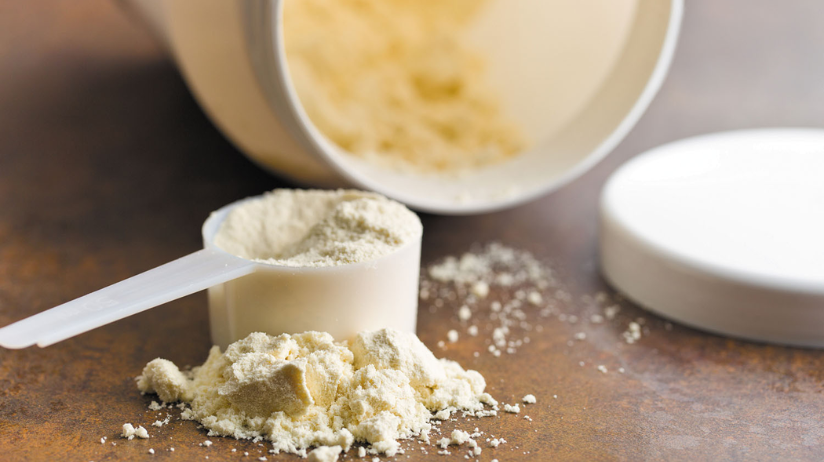
Grass-fed whey and clear whey isolate both support nutritional value in various ways that could impact your results. Understanding the difference in protein powders can help you choose the right option for your body.
You'll see protein powders everywhere, from gym bags to kitchen counters and even Instagram workout reels. But with so many options, you can easily feel a bit lost. Should you choose the creamy, grass-fed whey or the light, clear whey isolate protein powder? It's true that both options claim muscle gains, recovery and all-around wellness, but the choice isn't just about taste.
However, there are a few differences in powders that affect overall nutrition. Knowing each difference in protein powders can help you pick the right option that works for your body rather than just what looks good on the shelf. Picking a protein powder isn't just about the "coolest" tub but also about understanding what's inside and how your body will use it.
Is There Really a Difference in Protein Powders?
Yes, there’s a real difference and it goes beyond taste. Grass-fed whey is packed with a rich amino acid profile, naturally occurring nutrients and a creamy texture. However, clear whey isolate is stripped down to pure protein, with almost zero fat or carbs and a super-light texture. The differences might seem slight, but they matter when it comes to how your body uses protein. Prominent brands like Wild Society Nutrition have made it too simple to find out these differences.
Here's how...
Do You Really Need Grass-Fed Whey?
Grass-fed whey is ideal if you want a nutrient-rich protein that goes beyond muscle support. Its creamy texture, rich flavor and wholesome profile make it perfect for baking, or even sipping solo. Moreover, the nutrients from grass-fed cows, like omega-3 fatty acids, add a bit of extra wellness boost to every scoop.
How Clear Whey Isolate Works Better
Clear whey isolate is known for its simplicity. Since it has nearly zero fat and carbs, it digests quickly, which makes it perfect for post-workout recovery. Its fruity taste doesn’t weigh you down and it mixes effortlessly into water or juice. If you’re looking for a fast-absorbing protein, clear whey isolate is what you need to try.
Grass-Fed Whey or Clear Whey Isolate: Which Is Right for You?
Let's compare both and see the difference in protein powders:
No matter which you choose, both deliver high-quality protein for your unique lifestyle.
Choose Grass-Fed Whey If…
- You want a creamy and natural protein for daily use.
- You value nutrients beyond just protein content.
- You enjoy a richer flavor in smoothies or recipes.
- You prefer slower digestion for amino acid release.
Go With Clear Whey Isolate If…
- You need fast-absorbing protein after workouts.
- You want minimal carbs and fat in every scoop.
- You prefer a light, fruity and refreshing taste.
- You incorporate protein with water or juice daily.
Choosing between grass-fed whey and clear whey isolate is about what actually fits your goals and overall nutrition. Grass-fed whey delivers a creamy experience, which is perfect for those who value wholesome nutrition alongside protein gains. Meanwhile, clear whey isolate is a fast-absorbing protein that works perfectly for quick recovery and minimal calories. So, no matter which you choose, wholesome or light, it's better to know that the most important scoop is the one that helps you reach your goals.
As the premier partner of the Wild Society Nutrition affiliate program, we would like to inform you that by tapping on the referral link, you may save big on your next purchase. We may earn a small commission without extra cost to you.
Stay tuned to VibenVenture for more details on daily essentials.
Smalls for cats has stirred excitement and debate in the pet world. This review digs into what it offers, its risks, and whether it’s right for your feline.
Pet parents are switching gears from conventional bags of kibble to something fresher, more tailored, and let’s be honest, designed with a bit more thought. Smalls for cats has made waves by promising food that looks more like something you’d make in your kitchen than what you’d scoop out of a bag. But once you dig past the polished branding and buzzwords, what exactly are you getting when you subscribe to Smalls cat food?
Here’s a deep dive into what makes this brand different, what your subscription actually includes, where it shines, where it falls short, and the factors you might want to weigh before making a change to your cat’s diet.
What Is Smalls and Why Is It Everywhere
Smalls is a fresh cat food brand that delivers meals made from whole proteins, minimal plant content, and no preservatives. Their recipes are cooked gently, then frozen to maintain freshness. Think high-moisture, soft-textured food that comes in pouches, ready to thaw and serve.
Each Smalls meal is built with your cat’s biology in mind. That means 80%+ animal protein, USDA-certified meats, added fatty acids, and essential nutrients. They also toss in a bit of greens like kale, pumpkin, and parsley, which aren’t essential for cats, but offer extra fiber and vitamins. Their approach leans toward low-carb, high-protein nutrition without cutting corners.
And this isn’t some niche movement either. Smalls for cats has been featured by major outlets, recommended by some vets, and has gathered a sizable following online, especially among those with picky eaters or pets with sensitive stomachs.
What’s Inside Smalls Cat Food?
Each packet contains one of several protein bases, including:
- Chicken (smooth, ground, or pulled)
- Turkey (pâté or shredded)
- Fish blends (like salmon with cod)
- Pork (smooth pâté only)
Recipes are free of artificial preservatives, synthetic flavor enhancers, or unnecessary thickeners. Instead, you’ll see ingredients like chicken liver, salmon oil, dandelion greens, and cod liver oil. All meals are formulated to meet AAFCO guidelines for feline nutrition.
That ingredient transparency is a major reason cat owners are leaning toward Smalls, even more so for those caring for senior cats, small pets, or cats recovering from health issues.
How the Subscription Works
Ordering Smalls starts with a short quiz. It helps customize a plan based on your cat’s breed, weight, age, and dietary preferences. You’re then matched with a meal plan and sent a sampler box of 10 packets to test textures and proteins.
Once the trial ends, the subscription automatically continues, unless paused or canceled. Shipments are fully frozen and include enough meals to last the month, depending on your cat’s caloric needs. Food arrives packed in dry ice, ready to be stored in your freezer.
Smalls for cats emphasizes freshness, but the commitment to a subscription plan does mean you’ll need to keep an eye on delivery dates, portion control, and freezer space.
How Much Does It Really Cost?
Let’s address the question that’s on every cat parent’s mind: what’s the actual Smalls cat food price?
For most subscribers, the ongoing cost averages between $90 to $120 per month, depending on your cat’s size and appetite. That price point puts it squarely in the premium tier. Some meals (like pulled turkey) come with extra charges, too.
One pack (5 oz) can feed a small cat for an entire day, but larger or more active cats may need two. This means multi-cat households will be spending more—and quickly. Smalls does occasionally offer a Smalls promo code for first-time buyers, making it easier to test without overspending upfront.
What Real Cat Parents Are Noticing
Across review platforms, forums, and social media, pet owners share some noticeable shifts after switching to Smalls:
Shinier Coats
Cats that previously had dull or flaky fur began showing softer, more vibrant coats within a few weeks. This is likely due to the boost in healthy fats and protein levels.
Improved Digestion
Several reviews highlight reduced vomiting and better litter box outcomes, less odor, firmer stools, and more regularity.
Better Energy
Many report that cats seem more playful, alert, or interactive after switching. This could be tied to the food’s bioavailability, more of the nutrients are actually being absorbed.
These are strong indicators that something in the formulation is resonating with cats. Still, every animal is different. Some cats may need a slow transition or prefer one texture over another.
What to Watch Out For
Smalls isn’t without its drawbacks. One of the biggest complaints online involves the subscription model. After the sampler, if you forget to cancel or adjust your plan, your card is charged and food is shipped without warning. Some users also mentioned delivery mix-ups or delayed customer support responses.
Packaging is another mixed bag. While the food is shipped cold and in eco-conscious materials, the plastic trays aren’t always resealable, which means some portioning effort is needed to avoid waste.
Additionally, if you’re outside the U.S., the service isn’t easily accessible, and shipping isn’t offered internationally.
Is Smalls a Good Fit for Your Cat?
There’s no single answer, but here’s what tends to align well:
- Picky eaters: The varied textures give you options to test what your cat actually enjoys.
- Senior cats or small pets: Softer food can be easier on teeth, and the nutrition is tailored to support aging joints and muscles.
- Cats with sensitive digestion: Clean ingredients, no fillers, and high moisture content can help reduce digestive issues.
Where it may not work as well is for those trying to feed multiple cats on a tight budget or owners who prefer to buy food as needed without a subscription.
How to Maximize Your Subscription
To make the most out of Smalls cat food:
- Track how your cat responds during the sampler phase—don’t rush the transition.
- Use any available Smalls promo code when starting to cut your initial cost.
- Start with a mix of textures and proteins—cats can surprise you with preferences.
- Cancel or adjust your subscription early if things aren’t working out. Smalls has a money-back guarantee, but that only applies within a certain window.
- Rotate proteins every few months. It supports balanced nutrition and keeps things interesting.
Smalls for cats is part of a wider movement toward feeding pets with the same care and consideration given to human nutrition. The brand is focused on whole ingredients, freshness, and transparency, values that more pet owners are actively seeking out.
Still, it comes with commitments: cost, freezer space, and a little planning. If you’re prepared for those, Smalls cat food may deliver genuine benefits, from coat shine to digestion and energy.
Cats can’t tell you how they feel after a meal, but they show it. Through better movement, clearer eyes, fewer hairballs, or simply licking the bowl clean, your cat speaks through behavior. That’s where Smalls may just prove its worth.
For more on pets, follow VibenVenture.
Related
Smalls for Cats Review And What You Really Need to Know

Wholesome Dog Treats That Put Thrive Pet Foods on the Map

Feed Their Instincts with These Wet Food Picks from Blink Cats
What You Need to Know Before Trying Alifeplus Meal Delivery