Why This Guardian Balance Bike Is Every Parent's Favorite
By Admin
Published on 2025-10-30 11:47:00
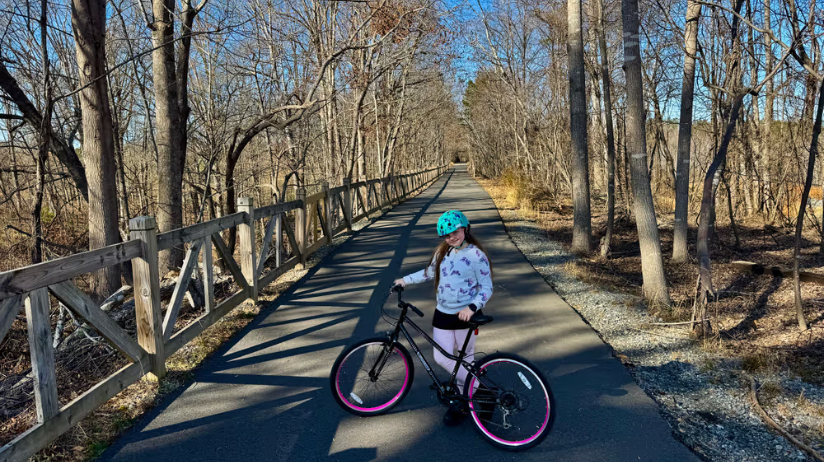
The Guardian balance bike offers toddlers a blend of lightweight build, a unique brake system, and smart design. Parents seeking a solid first balance bike will find much to like.
There’s a certain kind of magic in watching a toddler take off on their first bike. The wobbly steps, the moment their feet lift, and that contagious giggle when they realize they’re doing it all on their own. The Guardian Balance Bike taps directly into this experience, not just by making it easier for little riders to learn, but by giving parents peace of mind along the way.
This isn’t just another piece of gear from the bike aisle. It’s a thoughtfully designed balance bike toddler model, created by Guardian Bikes for children ages 1.5 to 4 years, and it's turning heads for a reason. With features focused on safety, build quality, and child-first ergonomics, it brings a lot to the table in a sleek, child-friendly frame.
The Age of Balance Begins Earlier Than You Think
By the time toddlers reach the 18-month mark, many are itching for more independence and a way to keep up with older siblings zooming around the driveway. Traditional pedal models come with a steep learning curve, often requiring months of trial and error. Balance bikes rewrite that learning journey entirely.
Instead of managing pedals and training wheels at the same time, the focus here is on core bike-riding fundamentals: balance, coordination, and steering. This version from Guardian Bikes is crafted for little legs with inseams starting around 11.5 inches, allowing even smaller riders to scoot, coast, and gain control from the beginning.
That early exposure isn’t just about fun, it’s deeply tied to motor skill development. Learning to navigate curves, slow down, and stop safely can help build muscle memory that sticks for life. The balance bike becomes more than just a toy; it’s a training ground for confidence.
A Closer Look at the Guardian Build
What makes this model stand out is how much detail has gone into tailoring it to younger riders. The frame is made from lightweight aluminum, bringing the total bike weight to just 8.5 pounds. That’s light enough for toddlers to pick up themselves, which also means fewer struggles for grown-ups when hauling it into the trunk or up a staircase.
One of the most noteworthy features is the SureStop brake system. It uses a single hand lever to activate both wheels, reducing the chances of sudden front-wheel stops that could send a child over the handlebars. This patented safety tech is more often seen in older bikes for kids, so seeing it in a balance model is a refreshing and parent-pleasing, touch.
Then there’s the wide wheelbase and steering limiter, designed to reduce tipping and wild turns. These subtle upgrades matter, especially during those first few outdoor adventures when control can still be a work in progress. It’s easy to overlook these components, but they quietly do the work of keeping young riders upright and steady.
What It Feels Like to Use
Once assembled and that part takes roughly 10 minutes, thanks to a parent-friendly tool kit, the Guardian Balance Bike feels solid but nimble. The seat height adjusts quickly, letting it grow alongside your child. It doesn’t feel clunky or oversized, which is a common issue with lesser-built kids bike models.
The air-filled tires provide natural shock absorption on sidewalks and playground surfaces, creating a smooth ride even when the terrain isn't perfect. And while there’s no pedal system, the design allows toddlers to glide with their feet up once they gain momentum. That moment when they learn to lift and coast? It’s the highlight every time.
Is It Really Built to Last?
Durability is a big concern when investing in early-learning toys. What’s clear from feedback across forums and customer reviews is that the Guardian model holds up well even under everyday wear. From neighborhood sidewalks to paved parks, the frame resists dents and the seat materials don’t show early signs of fraying.
Many parents note they plan to pass it on to younger siblings. That’s a strong indicator of quality, especially in a category often filled with products that lose function or appeal before they’re outgrown.
And for those who need backup, Guardian’s customer support is regularly praised for being responsive and helpful. Their 365-day return policy makes the process feel a bit less risky for cautious first-time buyers.
The Real Value Behind the Price
With a current retail price of $149 and a comparison value of around $254, this is a mid-range investment in the balance bike world. But when you factor in the features, braking system, frame quality, air tires, adjustability, it becomes clear that the value lies in its ability to last and do its job well.
Some competitors come in cheaper, but lack the stability, safety, or ride comfort of this model. If your goal is a smoother learning curve and better long-term utility, this is a guardian bike worth shortlisting.
It also helps that the brand offers matching accessories, including helmets, bells, and style bundles. These extras aren’t just about looks, they help get toddlers excited to gear up and ride, which can make the learning process smoother.
How It Fits into the Bigger Picture
Learning to ride is a milestone. And in the world of the bike shop options, the Guardian Balance Bike has carved a place as a bridge between playtime and skill-building. It teaches movement with purpose, laying the foundation for pedal bikes later on.
This isn’t just a seasonal toy that gathers dust after a few weeks. It’s a bike that gets used, day after day, indoors and out. For many families, it's the first step in a longer biking journey and one that sets the tone for riding with confidence and control.
With rave reviews from over a thousand families, a smart frame build, and real functionality at its core, it offers a blend of design and usability that’s hard to ignore. Especially if you’re looking for a product that understands the needs of small hands, short legs, and curious minds.
What to Know Before You Click “Add to Cart”
No product is perfect, and every kid is different. Very young toddlers may need a bit more assistance at first, and some may not use the hand brake right away. That's completely normal. What helps here is how forgiving and adaptable the bike is. It’s patient enough for slow learners and agile enough for early bloomers.
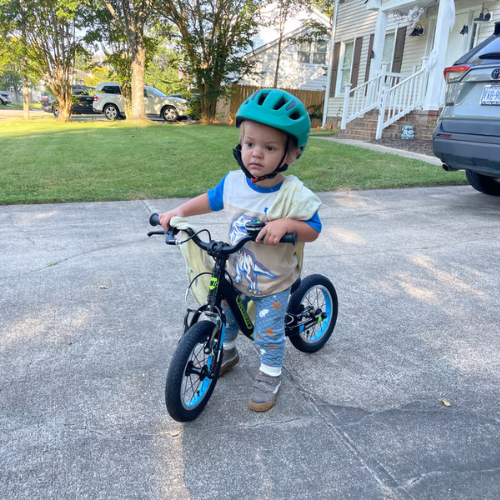
If you’ve already browsed through bikes for kids and found yourself overwhelmed, this model brings clarity. It strips back the unnecessary and focuses on what actually matters: a lightweight frame, intuitive control, and real safety.
There are few true standouts in the category of balance bike toddler products, but this one brings together the features that families tend to look for, without going overboard or adding fluff.
There’s a reason why so many parents call this their favorite kids bike purchase. From design to durability, the Guardian Balance Bike delivers on all the core promises that matter when your toddler is just starting out. It may not be the flashiest option in the bike shop, but it’s one of the most grounded, literally and figuratively.
Follow VibenVenture for more reviews and roundups on toys.

You dress for comfort, or confidence, or maybe chaos. But your clothes are already telling your story before you even say a word.
Before a word leaves your mouth, your outfit has already spoken. That oversized sweater you keep reaching for? It might be whispering comfort. That tailored blazer you break out on big days? It’s announcing confidence, capability, and control. Our outfit choices often say what we haven’t found the words for yet. It’s the emotional truths and triggers behind clothing that turn a closet into something more than storage, it's a gallery of your inner world.
Style doesn't just consist of trends alone. It’s an constantly changing language we speak to the world around us. And often, without knowing it, we’re broadcasting our moods, boundaries, histories, and even our aspirations. The way we dress is an invitation to connect or a subtle signal to keep a respectful distance.
If you look closely, you’ll notice patterns in your clothing habits. There are days when you throw on something bold to feel seen. There are also days when you fold into your softest hoodie because you need to feel safe. The connection between clothes and emotions is incredibly real. And the more tuned in you are, the more you can learn about yourself without saying a word.
Emotional Dressing Is Real
Let’s drop the idea that getting dressed is just a routine task. Because the truth is, emotional dressing happens daily. That rush of calm when you put on your go-to jeans? That little lift you feel when your favorite clothes still fit after a rough week? And no it’s not just the texture or the fabric, but actually you feel seen and oddly soothed.
Science has actually backed this up. Studies show that clothing colors and emotions are deeply intertwined. People often gravitate toward darker tones like navy, charcoal, or deep green when feeling low, and opt for bright shades like red or yellow during periods of energy and confidence. Color has a way of expressing what we’re not ready to verbalize, making it a powerful tool in our emotional toolkit.
And then there's the act of getting dressed itself. On days when the world feels heavy, pulling yourself together with intention, even if it’s just a soft tee and your best-fitting trousers can feel like reclaiming a bit of control. Our outfit choices may be rooted in aesthetic, but they often reveal much more about our internal weather.
Your "Go-To" Outfit Isn’t Random
Everyone has one. The outfit that feels like a reset button. Maybe it’s a flowy dress that catches the light just right, or maybe it’s a black-on-black combo that makes you feel quietly powerful. But here’s the thing: that favorite outfit didn’t earn its place by accident. It did so because it offers emotional safety. Maybe it reminds you of a time you felt admired. Maybe it simply doesn’t ask too much of you.
These are the garments that act like emotional armor. They allow you to move through your day without questioning if you look okay. They offer familiarity in moments of instability. And the emotional connection we form with them goes far beyond style. They’re rooted in memory, identity, and yes, even vulnerability.
Fashion has its moods, but your emotional clothing truths run deeper. Sometimes, the simplest top carries the heaviest meaning. And that’s what makes your wardrobe personal consist of emotional alignment not just trends.
When Style and Personality Finally Sync
Ever met someone whose outfit just makes sense with who they are? Their clothing seems to mirror their presence. Nothing feels forced, nothing screams for attention and yet, you notice them. That’s style meeting personality at a soul level.
When your style choices stop trying to impress and start reflecting your essence, everything clicks. The textures, the silhouettes, even the little rips or rolled-up sleeves, they all feel intentional.
There’s also freedom in not needing to explain your fashion anymore. The moment you start dressing for yourself, your style becomes easier to trust. You stop second-guessing outfit choices. You stop shopping for approval. Instead, you start owning your narrative without needing to speak a word. That’s what your clothes say about you when they’re finally aligned with who you are.
Rebuilding a Wardrobe That Feels Like You
If you’ve ever looked into a closet full of clothes and thought, "I have nothing to wear," it’s rarely about quantity. More often, it’s about disconnection. Those pieces might fit your body, but not your current self. And that's your signal: it’s time to rebuild.
But rebuilding doesn’t mean starting over. It means listening in. What colors have been resonating with you lately? What shapes make you feel most at home in your skin? These are the subtle emotional clues that guide wardrobe changes that actually stick.
Start by identifying the pieces you keep reaching for. What do they have in common? Is it comfort? Is it confidence? Let those favorite clothes guide the blueprint for what comes next. This kind of intentional shopping leads to a closet filled with things that speak to your now, not your past or your Pinterest board.
Letting go of clothes that feel performative is one of the most freeing things you can do. Maybe they were trendy, maybe they got you compliments, but if they never felt like you, they were just costumes. Dressing with authenticity means choosing what mirrors your insides, even when it doesn’t match the outside noise.
The goal isn’t to follow style rules but to follow emotional alignment. The connection between clothes and emotions becomes clearer when your closet feels more like a reflection than a projection. And when that happens, dressing becomes less about decision fatigue and more about emotional fluency.
Fashion isn’t shallow. It’s layered with meaning. Every outfit tells a story, every clothing choice carries weight. From emotional triggers to quiet truths, our clothes often speak louder than we do. When you tune in to what your favorite clothes are saying, you’re not just decoding a wardrobe, you’re learning to hear yourself more clearly. So next time you reach for that hoodie or blazer or flowy skirt, pause. Ask yourself what story it’s telling today. Because chances are, it’s already speaking volumes.
For more on clothing and fashion, follow VibenVenture.
Related
The Quiet Comeback of Clothes That Actually Fit Your Body
Top Picks in Men's Sweatshirts You’ll Find at Lilicloth

Elegant Styles Begin Here with These Must-Have Formal Shirts
Bodysuits Worth Obsessing Over From Symbol Fashion