Why Lightweight Shoes Might Be Weighing You Down More Than You Think
By Admin
Published on 2025-11-04 17:54:00
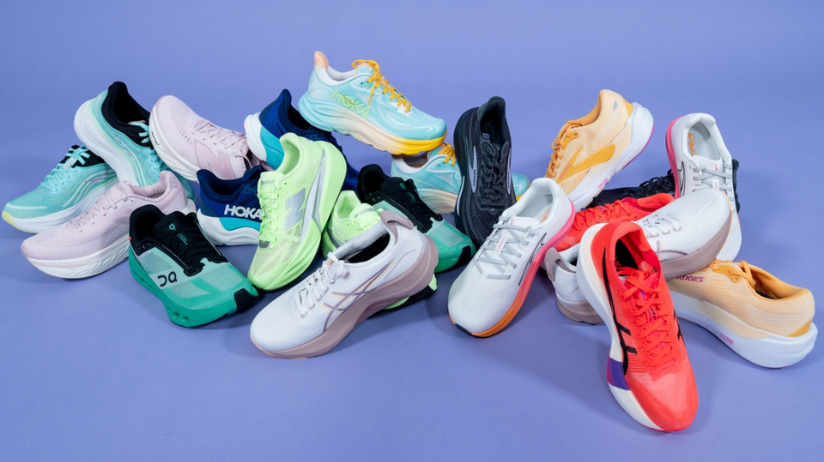
Lightweight shoes sound like a dream but the wrong pair can lead to more stress on your joints. This post unpacks the pros and cons of ultra-light footwear.
Lightweight shoes feel breezy, they pack down effortlessly for travel, and they make every step feel just a little bit faster, making them quite appealing. But here’s the part most people never consider, when shoes go too light, your feet and joints might be picking up the extra work.
Lightweight shoes are everywhere right now, especially in the running and walking scene. They're sleek, breathable, and promise speed. But there's more to them than just less bulk. What makes a lightweight shoe truly work for your body comes down to materials, support structure, and your individual foot needs. And not all of them deliver.
In this blog, we’re diving into the world of lightweight shoes to explore what really happens when you wear them daily, how they affect your body, and how to choose the right ones that won’t leave you feeling worn out.
Why Lightweight Isn’t Always Low Impact
The biggest misconception around lightweight shoes is that less weight means less stress. While it’s true that lighter footwear can reduce energy expenditure, especially during activities like running, there’s a fine line between streamlined and stripped-down.
Many lightweight shoes reduce weight by cutting down on crucial components like cushioning, arch support, and outsole thickness. That may feel freeing at first, but over time, it can lead to problems like arch collapse, joint pain, and muscle fatigue especially if your body isn’t getting the structure it needs.
How Lightweight Shoes Affect Your Body
When you wear lightweight shoes, your feet get more ground feedback which some people love. But here’s what else is happening beneath the surface:
Increased load on foot muscles: Less material means your intrinsic foot muscles have to do more work to stabilize and propel your steps.
Lower shock absorption: Thin soles mean more impact with each landing, especially in hard-surface environments like pavement or gym floors.
Altered gait mechanics: Some lightweight designs shift how your foot strikes the ground, which can affect alignment in your knees, hips, and even lower back.
Faster fatigue: Without adequate cushioning or arch support, your muscles and joints may tire quicker than usual even during basic walking.
It’s not that lightweight shoes are bad, they just need to be chosen wisely based on how your body moves and what you use them for.
Who Actually Benefits From Lightweight Shoes
When chosen well, lightweight shoes offer plenty of upside. They can reduce leg fatigue over long distances and feel less restrictive for people with naturally strong foot mechanics.
They’re especially loved by:
- Experienced runners looking for speed gains
- Travelers who want shoes that pack easily and breathe well
- Gym-goers doing agility training or bodyweight workouts
- Minimalist shoe fans who prefer barefoot-like ground contact
- But the key here is structure. A great lightweight shoe still needs to support your natural gait and help absorb impact.
What to Look For in a Lightweight Shoe
Not all lightweight shoes are created with your long-term comfort in mind. Here’s what to look for:
Responsive Cushioning
Foam technology has come a long way. Some lightweight running shoes now use advanced materials like EVA blends or nitrogen-infused midsoles that provide shock absorption without extra weight.
Arch Support
Even in minimal shoes, the midfoot area should offer some degree of contour or support especially if you have flat feet or high arches.
Durable Outsole
Look for rubber coverage in high-impact zones (heel and forefoot). This prevents premature breakdown and helps with traction and control.
Heel Structure
A defined heel cup or counter adds rearfoot stability and reduces excess movement, which can be helpful in preventing knee and ankle strain.
Breathable Uppers With Some Structure
Mesh or knit uppers should hug your foot without overstretching. The goal is to feel secure but not stiff.
Lightweight vs Heavyweight Running Shoes
There’s ongoing talk around the difference between lightweight vs heavyweight running shoes. The truth? Neither is better across the board, it depends on your needs. Heavier shoes often offer more cushion and stability, while lightweight ones allow for quicker turnover and less fatigue over shorter distances. For daily wear, a midweight option with targeted support is usually ideal.
If you’re wondering, are lighter shoes better for running? The answer is: sometimes. If you’re training for speed, racing, or have excellent form, lighter shoes can help you shave seconds off your time. But for daily miles or recovery runs, something with more cushion often feels better.
Lightweight Shoes for Walking
Running and walking are not the same motion. Lightweight shoes for walking need to focus less on propulsion and more on shock absorption and long-term comfort.
Look for features like:
- Flexible midsoles that adapt to your walking stride
- Generous heel-to-toe drop to reduce pressure on the Achilles
- Cushioned insoles to reduce fatigue on long walks
- Wide toe boxes for natural toe spread and better balance
What Kind of Shoes Are Best for Your Feet
Everyone’s foot shape, arch height, and movement patterns are different. So the best shoe for your feet isn’t the trendiest or the lightest, it’s the one that works with your body.
Ask yourself:
- Do you feel supported when standing or walking?
- Is there even pressure across your foot, or are certain areas burning or pinching?
- Can you wear them all day without your feet feeling sore or tired?
If the answer to any of these is no, it may be time to rethink your go-to pair.
When Lightweight Shoes Are a No-Go
There are situations where lightweight shoes may do more harm than good. Avoid them if:
- You’re recovering from injury (especially plantar fasciitis, stress fractures, or knee pain)
- You have joint issues or arthritis in the lower limbs
- Your daily routine involves standing or walking on hard surfaces for long periods
- Your feet need strong arch support or custom orthotics
In these cases, the stripped-down feel of lightweight shoes just won’t offer the protection your body needs.
Lightweight shoes can feel like a dream until they don’t. Just because a pair is feather-light doesn’t mean it’s right for every body or every activity. The trick is to find a pair that balances low weight with real structure, support, and comfort. Whether you're training, commuting, or just looking for everyday ease, the best lightweight shoe is one that works with your foot not against it. So the next time you pick up a pair and think "Wow, these are so light," pause for a second and check if they also tick the boxes for support, shock absorption, and stability.
For more on the perfect footwear, follow VibenVenture.

You dress for comfort, or confidence, or maybe chaos. But your clothes are already telling your story before you even say a word.
Before a word leaves your mouth, your outfit has already spoken. That oversized sweater you keep reaching for? It might be whispering comfort. That tailored blazer you break out on big days? It’s announcing confidence, capability, and control. Our outfit choices often say what we haven’t found the words for yet. It’s the emotional truths and triggers behind clothing that turn a closet into something more than storage, it's a gallery of your inner world.
Style doesn't just consist of trends alone. It’s an constantly changing language we speak to the world around us. And often, without knowing it, we’re broadcasting our moods, boundaries, histories, and even our aspirations. The way we dress is an invitation to connect or a subtle signal to keep a respectful distance.
If you look closely, you’ll notice patterns in your clothing habits. There are days when you throw on something bold to feel seen. There are also days when you fold into your softest hoodie because you need to feel safe. The connection between clothes and emotions is incredibly real. And the more tuned in you are, the more you can learn about yourself without saying a word.
Emotional Dressing Is Real
Let’s drop the idea that getting dressed is just a routine task. Because the truth is, emotional dressing happens daily. That rush of calm when you put on your go-to jeans? That little lift you feel when your favorite clothes still fit after a rough week? And no it’s not just the texture or the fabric, but actually you feel seen and oddly soothed.
Science has actually backed this up. Studies show that clothing colors and emotions are deeply intertwined. People often gravitate toward darker tones like navy, charcoal, or deep green when feeling low, and opt for bright shades like red or yellow during periods of energy and confidence. Color has a way of expressing what we’re not ready to verbalize, making it a powerful tool in our emotional toolkit.
And then there's the act of getting dressed itself. On days when the world feels heavy, pulling yourself together with intention, even if it’s just a soft tee and your best-fitting trousers can feel like reclaiming a bit of control. Our outfit choices may be rooted in aesthetic, but they often reveal much more about our internal weather.
Your "Go-To" Outfit Isn’t Random
Everyone has one. The outfit that feels like a reset button. Maybe it’s a flowy dress that catches the light just right, or maybe it’s a black-on-black combo that makes you feel quietly powerful. But here’s the thing: that favorite outfit didn’t earn its place by accident. It did so because it offers emotional safety. Maybe it reminds you of a time you felt admired. Maybe it simply doesn’t ask too much of you.
These are the garments that act like emotional armor. They allow you to move through your day without questioning if you look okay. They offer familiarity in moments of instability. And the emotional connection we form with them goes far beyond style. They’re rooted in memory, identity, and yes, even vulnerability.
Fashion has its moods, but your emotional clothing truths run deeper. Sometimes, the simplest top carries the heaviest meaning. And that’s what makes your wardrobe personal consist of emotional alignment not just trends.
When Style and Personality Finally Sync
Ever met someone whose outfit just makes sense with who they are? Their clothing seems to mirror their presence. Nothing feels forced, nothing screams for attention and yet, you notice them. That’s style meeting personality at a soul level.
When your style choices stop trying to impress and start reflecting your essence, everything clicks. The textures, the silhouettes, even the little rips or rolled-up sleeves, they all feel intentional.
There’s also freedom in not needing to explain your fashion anymore. The moment you start dressing for yourself, your style becomes easier to trust. You stop second-guessing outfit choices. You stop shopping for approval. Instead, you start owning your narrative without needing to speak a word. That’s what your clothes say about you when they’re finally aligned with who you are.
Rebuilding a Wardrobe That Feels Like You
If you’ve ever looked into a closet full of clothes and thought, "I have nothing to wear," it’s rarely about quantity. More often, it’s about disconnection. Those pieces might fit your body, but not your current self. And that's your signal: it’s time to rebuild.
But rebuilding doesn’t mean starting over. It means listening in. What colors have been resonating with you lately? What shapes make you feel most at home in your skin? These are the subtle emotional clues that guide wardrobe changes that actually stick.
Start by identifying the pieces you keep reaching for. What do they have in common? Is it comfort? Is it confidence? Let those favorite clothes guide the blueprint for what comes next. This kind of intentional shopping leads to a closet filled with things that speak to your now, not your past or your Pinterest board.
Letting go of clothes that feel performative is one of the most freeing things you can do. Maybe they were trendy, maybe they got you compliments, but if they never felt like you, they were just costumes. Dressing with authenticity means choosing what mirrors your insides, even when it doesn’t match the outside noise.
The goal isn’t to follow style rules but to follow emotional alignment. The connection between clothes and emotions becomes clearer when your closet feels more like a reflection than a projection. And when that happens, dressing becomes less about decision fatigue and more about emotional fluency.
Fashion isn’t shallow. It’s layered with meaning. Every outfit tells a story, every clothing choice carries weight. From emotional triggers to quiet truths, our clothes often speak louder than we do. When you tune in to what your favorite clothes are saying, you’re not just decoding a wardrobe, you’re learning to hear yourself more clearly. So next time you reach for that hoodie or blazer or flowy skirt, pause. Ask yourself what story it’s telling today. Because chances are, it’s already speaking volumes.
For more on clothing and fashion, follow VibenVenture.
Related
The Quiet Comeback of Clothes That Actually Fit Your Body

Top Picks in Men's Sweatshirts You’ll Find at Lilicloth

Elegant Styles Begin Here with These Must-Have Formal Shirts
Bodysuits Worth Obsessing Over From Symbol Fashion