How Seaweed Became the Secret Spice in Global Cooking
By admin
Published on 2025-11-17 16:44:00
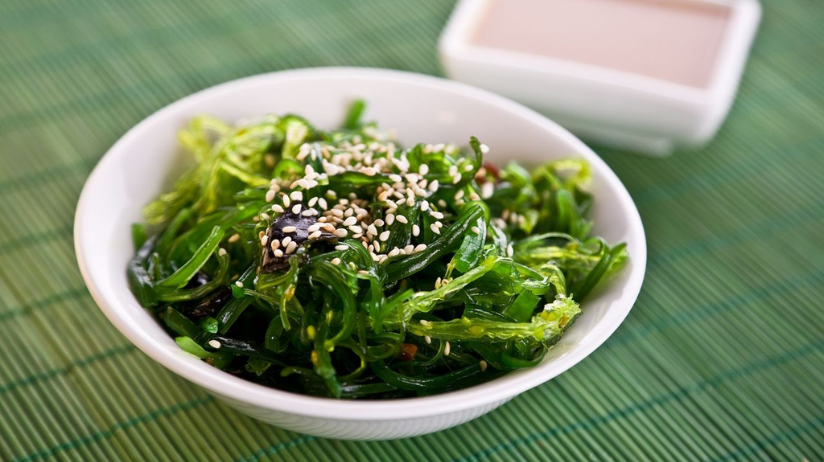
Forget sushi rolls, seaweed is sneaking into spice blends, chips, broths, and even desserts in ways you never saw coming.
Seaweed is quietly taking center stage in some of the world’s most exciting dishes. Long gone are the days when it was only associated with sushi rolls or miso soup. Today, it is showing up where you would least expect it. Think seaweed-infused seasoning blends, crispy seaweed snacks, rich broths, and even desserts that surprise the palate with oceanic depth. Seaweed has officially stepped into the spotlight as one of the most versatile and flavorful ingredients you can cook with right now.
Why Seaweed Is Bursting With Flavor
At the heart of this seaweed reinvention is its extraordinary umami power. Seaweed naturally contains glutamates and other flavor-enhancing compounds that deliver a deep, satisfying savory taste. Chefs and food product developers are leaning into this complexity, using it to boost flavor without needing excessive salt or artificial additives. It adds body to soups, meatiness to vegetarian dishes, and a sense of richness that lingers in everything from marinades to dressings.
More than just flavor, it brings aroma and structure to food. Wakame swells in broths, adding a silky finish. Dulse crisps into bacon-like crunch. Kelp simmers into the base of ramen and noodle dishes. When used intentionally, seaweed becomes a tool for depth and transformation. It does not hide in the background. It builds.
Seaweed Seasonings Are Taking Over Pantry Shelves
One of the most exciting developments is seaweed’s transformation into an everyday seasoning. Products like furikake, a Japanese condiment made with toasted seaweed, sesame seeds, and dried fish, are gaining global popularity. Seaweed flakes are being sprinkled onto avocado toast, popcorn, and even scrambled eggs. Powdered seaweed is now a pantry essential in health-forward kitchens, stirred into smoothies or blended into spice mixes for rubs and coatings. Dashi, a Japanese stock made with kombu, is another example of how seaweed deepens flavor in liquid bases without overpowering them.
Even outside of Asian cuisine, blends are being created with rosemary, garlic, and dried lemon peel alongside crushed seaweed. These seasoning blends show up in restaurants, on fried potatoes, mixed into aioli, and even dusted onto the rims of cocktail glasses.
Snack Aisles Are Being Reinvented With Seaweed
Snack companies are also jumping on the seaweed train. Roasted seaweed chips are already a staple in grocery aisles, but now they come in new formats and bold flavors. From spicy wasabi to smoky BBQ, the variety is growing fast. There are also seaweed granola bars, savory seaweed trail mixes, and snackable crisps that mix puffed grains with shredded seaweed. These snacks are riding the wave of nutrient-dense, low-calorie options that satisfy cravings while supporting gut health.
There is also innovation in snack prep techniques. Seaweed is being puffed for airiness, freeze-dried to lock in nutrients, and pressed into bars with other seeds and nuts. Brands are promoting seaweed not just for taste but for trace minerals and digestion support. It checks every box for the wellness-first snack generation.
Seaweed In Sweet Foods Is A Real Thing
What really takes seaweed from expected to extraordinary is its place in sweet foods. Seaweed chocolate may sound strange until you taste the way a touch of salty sea greens can elevate the richness of dark cocoa. There are also seaweed salted caramels, frozen desserts with seaweed-infused bases, and syrups made from seaweed extracts that offer hints of brine and earth. These unusual combinations are not just gimmicks. They work because seaweed enhances flavor complexity and introduces an intriguing contrast.
There is also a visual appeal. Crumbled nori dusted on lemon tarts or embedded in chocolate bark creates color contrast and texture. Seaweed's earthy notes can amplify fruit in sorbet or add richness to nut-based confections. Chefs are not using it as a novelty but as a modern tool in desserts that blur savory and sweet.
Know Your Seaweed Types
The world of seaweed is vast. Each type brings a distinct taste and texture.
Nori
Thin and slightly nutty, often used for wrapping sushi but also great for crumbling over rice bowls.
Wakame
Silky and slightly sweet, popular in soups and salads.
Dulse
Bold, smoky flavor that can be pan-fried into crunchy chips.
Kelp
Firm and briny, ideal for stocks or slicing into noodles.
Kombu
Thick and leathery, it is the backbone of Japanese broths. It releases glutamates during slow cooking.
These are just a few of the many varieties now making their way into both restaurants and home kitchens. Exploring multiple types can unlock new uses and combinations you may not expect.
Easy Ways To Use Seaweed At Home
For anyone wanting to experiment with seaweed at home, there are simple ways to start. You can make a seaweed seasoning blend by blitzing toasted nori with sesame seeds, garlic powder, and a pinch of chili. Stir a strip of kombu into your pot the next time you cook grains for added flavor and minerals. Add powdered seaweed to dressings for a hint of umami or blend it into homemade veggie burgers to boost flavor without added salt.
Make your own furikake-style mix with crumbled nori, bonito flakes if desired, sesame seeds, and a pinch of sugar. Stir into rice or sprinkle onto popcorn. For a deeper flavor in soups or even in pasta water, simmer kombu and remove it before adding other ingredients. Wakame can be rehydrated in seconds and added to salads or noodle bowls for a chewy texture and subtle sweetness.
Seaweed Is Good For You And The Planet
What makes seaweed even more appealing is how good it is for you and the planet. Seaweed is rich in minerals like iodine, iron, and magnesium. It is high in fiber and supports gut health. It is also one of the most sustainable food sources on the planet. It grows fast, requires no fertilizer, and actually helps absorb excess carbon dioxide and nutrients in the water. This makes it not just a delicious choice but an ethical one as well.
Seaweed farming is expanding globally as demand grows. In coastal communities, it is creating new income sources while improving water quality. Because it requires no land, no fresh water, and no artificial inputs, seaweed is being explored as a cornerstone for future food systems. That kind of impact makes each seaweed purchase part of a bigger food solution.
Whether you are a curious home cook or a seasoned foodie, now is the time to give seaweed a spot on your shelf. Start small, try a few varieties, and let yourself explore. It will surprise you with its range, its richness, and the way it transforms even the simplest of meals. The future of flavor is green, mineral-rich, and pulled from the ocean.
For more fresh takes on food, flavor, and the ingredients shaping how we eat today, follow VibenVenture.
Smalls for cats has stirred excitement and debate in the pet world. This review digs into what it offers, its risks, and whether it’s right for your feline.
Pet parents are switching gears from conventional bags of kibble to something fresher, more tailored, and let’s be honest, designed with a bit more thought. Smalls for cats has made waves by promising food that looks more like something you’d make in your kitchen than what you’d scoop out of a bag. But once you dig past the polished branding and buzzwords, what exactly are you getting when you subscribe to Smalls cat food?
Here’s a deep dive into what makes this brand different, what your subscription actually includes, where it shines, where it falls short, and the factors you might want to weigh before making a change to your cat’s diet.
What Is Smalls and Why Is It Everywhere
Smalls is a fresh cat food brand that delivers meals made from whole proteins, minimal plant content, and no preservatives. Their recipes are cooked gently, then frozen to maintain freshness. Think high-moisture, soft-textured food that comes in pouches, ready to thaw and serve.
Each Smalls meal is built with your cat’s biology in mind. That means 80%+ animal protein, USDA-certified meats, added fatty acids, and essential nutrients. They also toss in a bit of greens like kale, pumpkin, and parsley, which aren’t essential for cats, but offer extra fiber and vitamins. Their approach leans toward low-carb, high-protein nutrition without cutting corners.
And this isn’t some niche movement either. Smalls for cats has been featured by major outlets, recommended by some vets, and has gathered a sizable following online, especially among those with picky eaters or pets with sensitive stomachs.
What’s Inside Smalls Cat Food?
Each packet contains one of several protein bases, including:
- Chicken (smooth, ground, or pulled)
- Turkey (pâté or shredded)
- Fish blends (like salmon with cod)
- Pork (smooth pâté only)
Recipes are free of artificial preservatives, synthetic flavor enhancers, or unnecessary thickeners. Instead, you’ll see ingredients like chicken liver, salmon oil, dandelion greens, and cod liver oil. All meals are formulated to meet AAFCO guidelines for feline nutrition.
That ingredient transparency is a major reason cat owners are leaning toward Smalls, even more so for those caring for senior cats, small pets, or cats recovering from health issues.
How the Subscription Works
Ordering Smalls starts with a short quiz. It helps customize a plan based on your cat’s breed, weight, age, and dietary preferences. You’re then matched with a meal plan and sent a sampler box of 10 packets to test textures and proteins.
Once the trial ends, the subscription automatically continues, unless paused or canceled. Shipments are fully frozen and include enough meals to last the month, depending on your cat’s caloric needs. Food arrives packed in dry ice, ready to be stored in your freezer.
Smalls for cats emphasizes freshness, but the commitment to a subscription plan does mean you’ll need to keep an eye on delivery dates, portion control, and freezer space.
How Much Does It Really Cost?
Let’s address the question that’s on every cat parent’s mind: what’s the actual Smalls cat food price?
For most subscribers, the ongoing cost averages between $90 to $120 per month, depending on your cat’s size and appetite. That price point puts it squarely in the premium tier. Some meals (like pulled turkey) come with extra charges, too.
One pack (5 oz) can feed a small cat for an entire day, but larger or more active cats may need two. This means multi-cat households will be spending more—and quickly. Smalls does occasionally offer a Smalls promo code for first-time buyers, making it easier to test without overspending upfront.
What Real Cat Parents Are Noticing
Across review platforms, forums, and social media, pet owners share some noticeable shifts after switching to Smalls:
Shinier Coats
Cats that previously had dull or flaky fur began showing softer, more vibrant coats within a few weeks. This is likely due to the boost in healthy fats and protein levels.
Improved Digestion
Several reviews highlight reduced vomiting and better litter box outcomes, less odor, firmer stools, and more regularity.
Better Energy
Many report that cats seem more playful, alert, or interactive after switching. This could be tied to the food’s bioavailability, more of the nutrients are actually being absorbed.
These are strong indicators that something in the formulation is resonating with cats. Still, every animal is different. Some cats may need a slow transition or prefer one texture over another.
What to Watch Out For
Smalls isn’t without its drawbacks. One of the biggest complaints online involves the subscription model. After the sampler, if you forget to cancel or adjust your plan, your card is charged and food is shipped without warning. Some users also mentioned delivery mix-ups or delayed customer support responses.
Packaging is another mixed bag. While the food is shipped cold and in eco-conscious materials, the plastic trays aren’t always resealable, which means some portioning effort is needed to avoid waste.
Additionally, if you’re outside the U.S., the service isn’t easily accessible, and shipping isn’t offered internationally.
Is Smalls a Good Fit for Your Cat?
There’s no single answer, but here’s what tends to align well:
- Picky eaters: The varied textures give you options to test what your cat actually enjoys.
- Senior cats or small pets: Softer food can be easier on teeth, and the nutrition is tailored to support aging joints and muscles.
- Cats with sensitive digestion: Clean ingredients, no fillers, and high moisture content can help reduce digestive issues.
Where it may not work as well is for those trying to feed multiple cats on a tight budget or owners who prefer to buy food as needed without a subscription.
How to Maximize Your Subscription
To make the most out of Smalls cat food:
- Track how your cat responds during the sampler phase—don’t rush the transition.
- Use any available Smalls promo code when starting to cut your initial cost.
- Start with a mix of textures and proteins—cats can surprise you with preferences.
- Cancel or adjust your subscription early if things aren’t working out. Smalls has a money-back guarantee, but that only applies within a certain window.
- Rotate proteins every few months. It supports balanced nutrition and keeps things interesting.
Smalls for cats is part of a wider movement toward feeding pets with the same care and consideration given to human nutrition. The brand is focused on whole ingredients, freshness, and transparency, values that more pet owners are actively seeking out.
Still, it comes with commitments: cost, freezer space, and a little planning. If you’re prepared for those, Smalls cat food may deliver genuine benefits, from coat shine to digestion and energy.
Cats can’t tell you how they feel after a meal, but they show it. Through better movement, clearer eyes, fewer hairballs, or simply licking the bowl clean, your cat speaks through behavior. That’s where Smalls may just prove its worth.
For more on pets, follow VibenVenture.
Related
Smalls for Cats Review And What You Really Need to Know

Wholesome Dog Treats That Put Thrive Pet Foods on the Map

Feed Their Instincts with These Wet Food Picks from Blink Cats
What You Need to Know Before Trying Alifeplus Meal Delivery