The Rise of Spicy Honey and How to Use It in Real Recipes
By Admin
Published on 2025-11-17 17:30:00
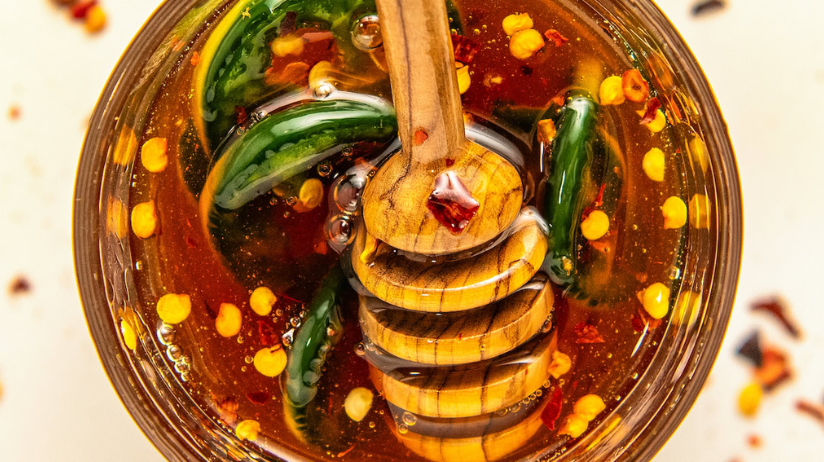
When honey meets heat, cheese, fried chicken, cocktails, it’s becoming impossible to ignore that flavor.
Swicy is the flavor profile that everyone is talking about right now. It is the perfect blend of sweet and spicy, and the number one ingredient that defines this trend is spicy honey. This bold and complex condiment is showing up on fried chicken, drizzled on pizza, stirred into cocktails, and even layered into ice cream. Spicy honey has become more than a drizzle. It is transforming into a must-have for chefs, creators, and curious home cooks who want to push their flavor game forward.
Where Spicy Honey First Took Off
Spicy honey’s rise began in restaurants and small-batch kitchens where hot honey recipes started catching attention. Brands like Mike's Hot Honey helped introduce the world to this new dimension of flavor. On social media, spicy honey went viral as creators began pouring it on everything from biscuit sandwiches to grilled peaches. What started in niche kitchens quickly caught fire across menus and meal kits. Food trucks, fast-casual spots, and gourmet pizza joints now treat it as a standard topping.
This flavor trend earned its place by doing something unexpected. Spicy honey balances two extremes on the palate. The sugar content from the honey mellows the heat while still delivering that subtle burn from peppers. This creates an experience that is both comforting and stimulating at the same time.
The Flavor Chemistry That Makes It Work
Sweetness and spiciness activate different receptors on your tongue. When combined in the right ratio, the heat brings out floral notes in the honey while the sugar rounds out the sharp edge of the spice. This makes spicy honey incredibly versatile. It enhances dishes without overwhelming them and adds depth without layering on heaviness.
The type of honey used also changes the flavor. Clover honey keeps things mild. Wildflower honey adds a floral touch. Buckwheat honey brings boldness and depth. Then there is the pepper choice. Jalapeños give a fresh green heat. Thai chilies offer fast, intense spice. Habaneros bring a slow-burning tropical warmth.
Spicy Honey Use Cases You Need To Try
This condiment shines in savory dishes where richness needs contrast. Think spicy honey on fried chicken, crispy potatoes, or charred vegetables. The sticky heat clings to edges and makes every bite memorable. Pizza is one of the top pairings. When spicy honey hits salty cheese and chewy crust, the combination creates a crave-worthy finish.
It also works beautifully in salad dressings and glazes. Mix it with mustard, vinegar, and olive oil for a spicy honey vinaigrette that wakes up greens or roasted squash. Use it as a finishing glaze on grilled meat, shrimp skewers, or tofu. Add a spoonful to marinades or slow-roasted dishes to deepen the flavor.
Cocktails are the next frontier. Spicy honey adds dimension to bourbon drinks, sparkling tequila spritzers, and even lemonade-based mocktails. It acts as both a sweetener and a source of heat, which means it works well in recipes that usually call for syrups.
How To Make Spicy Honey At Home
Learning how to make spicy honey is simple and customizable. All you need is honey, dried or fresh chilies, and a jar.
Basic Spicy Honey Recipe
- 1 cup raw honey
- 1 to 2 teaspoons crushed red pepper flakes or one chopped fresh chili
- Optional: a pinch of salt, garlic, or lemon zest
Warm the honey slightly in a saucepan but do not boil it. Add your chili and any extras. Let it infuse for at least 10 to 15 minutes. Pour into a jar and store at room temperature. The longer it sits, the stronger the heat will become.
For a hot honey recipe with more control, use dried chili powder or flakes. These release heat slowly and evenly. Fresh chilies will offer more complex flavor, especially if you combine a few types together.
Pairing Spicy Honey With Other Ingredients
Knowing what to serve with spicy honey unlocks its full potential. It pairs well with cheeses like goat cheese, brie, or aged cheddar. The contrast between the creaminess and the sticky heat is unmatched. Try it drizzled on crostini or baked brie.
With fruit, spicy honey enhances natural sweetness while adding intrigue. Use it on grilled peaches, figs, or roasted pineapple. For savory dishes, spicy honey works with roasted vegetables, cornbread, and smoked meats.
Try spicy honey chicken by marinating thighs in garlic, oil, and spicy honey before grilling or roasting. Finish with an extra drizzle before serving. For a twist on a classic, mix spicy honey into a homemade sauce for spicy honey mustard. Use it on sandwiches or as a dip for fries.
Traditional Versions From Around The World
Different cultures have been experimenting with spicy and sweet long before the current trend. In Korea, gochujang and honey are mixed for sauces and marinades. In Mexico, chili-infused honeys are sold in markets and used for glazing meats. North African dishes feature honey paired with harissa or berbere.
These international variations prove that spicy honey is not just a trend. It is a global staple that is finally getting mainstream attention. With roots in traditional cooking and modern kitchen creativity, it is more than a flavor boost. It connects cultures and flavor philosophies.
How To Store and Preserve Spicy Honey
Store your homemade spicy honey in a tightly sealed jar in a cool, dry place. It should last for several months, and it does not need refrigeration. Over time, the heat may intensify. If you prefer a milder version, use fewer chilies or strain them out after a day or two.
If your honey crystallizes, gently warm it in a warm water bath to restore its texture. Avoid microwaving, as it can damage the flavor compounds and destroy beneficial enzymes.
You can also experiment with preserved versions. Mix spicy honey with vinegar to create a shelf-stable hot sauce-style product. Or blend with mustard to make a spreadable condiment. Homemade spicy honey mustard is perfect for sandwiches, grain bowls, or dipping chicken tenders.
What’s Next In Spicy Honey Innovation
Spicy honey is evolving with new infusions beyond chilies. Garlic, ginger, rosemary, and even black peppercorns are being added for depth. Smoked spicy honey is also becoming popular. It offers a rich, campfire-like finish that pairs beautifully with grilled foods.
Another new trend is fermented hot honey. Some producers are letting honey ferment slightly with fresh chilies and aromatics, creating a probiotic-rich product with added funk and complexity. As interest in fermented condiments grows, this version may become a standout.
Expect to see spicy honey show up in snack foods, frozen items, and fast-casual menus. It is no longer a specialty drizzle. It is becoming an essential pantry staple with endless twists to explore.
Spicy honey offers flavor, flexibility, and a sensory experience that feels fresh every time. Whether you use it in a spicy honey chicken recipe, a cocktail syrup, or a drizzle over dessert, it delivers impact with very little effort. Now that you know how to make spicy honey and where to use it, this ingredient can take its rightful place in your kitchen. Start with a basic recipe, test out pairings, and let it inspire your next round of cooking.
For more bold flavors and the latest ingredient ideas, follow VibenVenture.
Smalls for cats has stirred excitement and debate in the pet world. This review digs into what it offers, its risks, and whether it’s right for your feline.
Pet parents are switching gears from conventional bags of kibble to something fresher, more tailored, and let’s be honest, designed with a bit more thought. Smalls for cats has made waves by promising food that looks more like something you’d make in your kitchen than what you’d scoop out of a bag. But once you dig past the polished branding and buzzwords, what exactly are you getting when you subscribe to Smalls cat food?
Here’s a deep dive into what makes this brand different, what your subscription actually includes, where it shines, where it falls short, and the factors you might want to weigh before making a change to your cat’s diet.
What Is Smalls and Why Is It Everywhere
Smalls is a fresh cat food brand that delivers meals made from whole proteins, minimal plant content, and no preservatives. Their recipes are cooked gently, then frozen to maintain freshness. Think high-moisture, soft-textured food that comes in pouches, ready to thaw and serve.
Each Smalls meal is built with your cat’s biology in mind. That means 80%+ animal protein, USDA-certified meats, added fatty acids, and essential nutrients. They also toss in a bit of greens like kale, pumpkin, and parsley, which aren’t essential for cats, but offer extra fiber and vitamins. Their approach leans toward low-carb, high-protein nutrition without cutting corners.
And this isn’t some niche movement either. Smalls for cats has been featured by major outlets, recommended by some vets, and has gathered a sizable following online, especially among those with picky eaters or pets with sensitive stomachs.
What’s Inside Smalls Cat Food?
Each packet contains one of several protein bases, including:
- Chicken (smooth, ground, or pulled)
- Turkey (pâté or shredded)
- Fish blends (like salmon with cod)
- Pork (smooth pâté only)
Recipes are free of artificial preservatives, synthetic flavor enhancers, or unnecessary thickeners. Instead, you’ll see ingredients like chicken liver, salmon oil, dandelion greens, and cod liver oil. All meals are formulated to meet AAFCO guidelines for feline nutrition.
That ingredient transparency is a major reason cat owners are leaning toward Smalls, even more so for those caring for senior cats, small pets, or cats recovering from health issues.
How the Subscription Works
Ordering Smalls starts with a short quiz. It helps customize a plan based on your cat’s breed, weight, age, and dietary preferences. You’re then matched with a meal plan and sent a sampler box of 10 packets to test textures and proteins.
Once the trial ends, the subscription automatically continues, unless paused or canceled. Shipments are fully frozen and include enough meals to last the month, depending on your cat’s caloric needs. Food arrives packed in dry ice, ready to be stored in your freezer.
Smalls for cats emphasizes freshness, but the commitment to a subscription plan does mean you’ll need to keep an eye on delivery dates, portion control, and freezer space.
How Much Does It Really Cost?
Let’s address the question that’s on every cat parent’s mind: what’s the actual Smalls cat food price?
For most subscribers, the ongoing cost averages between $90 to $120 per month, depending on your cat’s size and appetite. That price point puts it squarely in the premium tier. Some meals (like pulled turkey) come with extra charges, too.
One pack (5 oz) can feed a small cat for an entire day, but larger or more active cats may need two. This means multi-cat households will be spending more—and quickly. Smalls does occasionally offer a Smalls promo code for first-time buyers, making it easier to test without overspending upfront.
What Real Cat Parents Are Noticing
Across review platforms, forums, and social media, pet owners share some noticeable shifts after switching to Smalls:
Shinier Coats
Cats that previously had dull or flaky fur began showing softer, more vibrant coats within a few weeks. This is likely due to the boost in healthy fats and protein levels.
Improved Digestion
Several reviews highlight reduced vomiting and better litter box outcomes, less odor, firmer stools, and more regularity.
Better Energy
Many report that cats seem more playful, alert, or interactive after switching. This could be tied to the food’s bioavailability, more of the nutrients are actually being absorbed.
These are strong indicators that something in the formulation is resonating with cats. Still, every animal is different. Some cats may need a slow transition or prefer one texture over another.
What to Watch Out For
Smalls isn’t without its drawbacks. One of the biggest complaints online involves the subscription model. After the sampler, if you forget to cancel or adjust your plan, your card is charged and food is shipped without warning. Some users also mentioned delivery mix-ups or delayed customer support responses.
Packaging is another mixed bag. While the food is shipped cold and in eco-conscious materials, the plastic trays aren’t always resealable, which means some portioning effort is needed to avoid waste.
Additionally, if you’re outside the U.S., the service isn’t easily accessible, and shipping isn’t offered internationally.
Is Smalls a Good Fit for Your Cat?
There’s no single answer, but here’s what tends to align well:
- Picky eaters: The varied textures give you options to test what your cat actually enjoys.
- Senior cats or small pets: Softer food can be easier on teeth, and the nutrition is tailored to support aging joints and muscles.
- Cats with sensitive digestion: Clean ingredients, no fillers, and high moisture content can help reduce digestive issues.
Where it may not work as well is for those trying to feed multiple cats on a tight budget or owners who prefer to buy food as needed without a subscription.
How to Maximize Your Subscription
To make the most out of Smalls cat food:
- Track how your cat responds during the sampler phase—don’t rush the transition.
- Use any available Smalls promo code when starting to cut your initial cost.
- Start with a mix of textures and proteins—cats can surprise you with preferences.
- Cancel or adjust your subscription early if things aren’t working out. Smalls has a money-back guarantee, but that only applies within a certain window.
- Rotate proteins every few months. It supports balanced nutrition and keeps things interesting.
Smalls for cats is part of a wider movement toward feeding pets with the same care and consideration given to human nutrition. The brand is focused on whole ingredients, freshness, and transparency, values that more pet owners are actively seeking out.
Still, it comes with commitments: cost, freezer space, and a little planning. If you’re prepared for those, Smalls cat food may deliver genuine benefits, from coat shine to digestion and energy.
Cats can’t tell you how they feel after a meal, but they show it. Through better movement, clearer eyes, fewer hairballs, or simply licking the bowl clean, your cat speaks through behavior. That’s where Smalls may just prove its worth.
For more on pets, follow VibenVenture.
Related
Smalls for Cats Review And What You Really Need to Know

Wholesome Dog Treats That Put Thrive Pet Foods on the Map

Feed Their Instincts with These Wet Food Picks from Blink Cats
What You Need to Know Before Trying Alifeplus Meal Delivery