How Virtual Try‑On Tech Is Redefining Jewelry Shopping and What You Should Know
By admin
Published on 2025-11-13 18:08:00
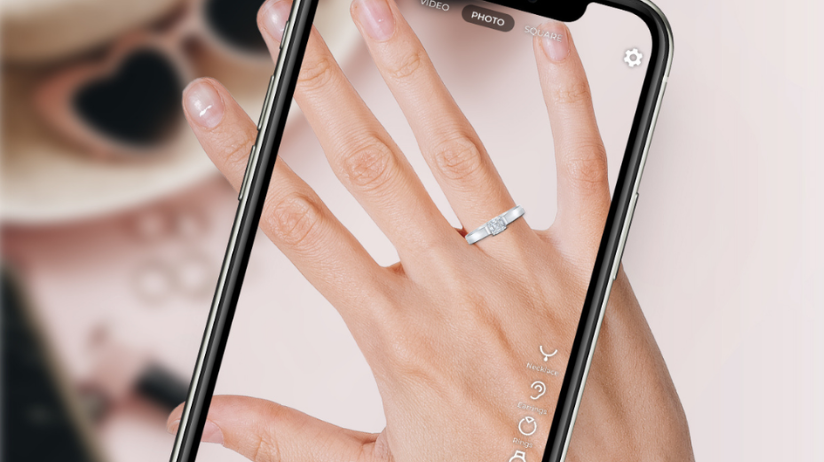
Virtual try-on isn’t just for clothes anymore, jewelry is catching up. But the challenges are tougher. In this post, we’ll go behind the scenes of how jewelers and tech firms are solving these challenges.
Imagine you fall in love with a dainty rose gold huggie or a bold emerald statement ring, but you don’t know if it actually suits your face shape, skin tone, or vibe. That uncertainty is where virtual jewelry try on technology steps in, blending artificial intelligence with augmented reality to change the way we interact with jewelry online. As online shopping grows, brands are pushing past static product pages into try-before-you-buy experiences that feel interactive, immersive, and honestly, addictive.
The Technology Behind Virtual Try On Jewelry
Virtual try on jewelry tools are built to simulate the real-world look of a piece as closely as possible. Whether it's a virtual ring try on that lets you rotate your hand and view gemstone clarity from different angles or an augmented reality filter that places chandelier earrings onto your selfie cam in real-time, the magic lies in the invisible tech stack underneath. These aren’t filters slapped on with a drag-and-drop interface. They use high-resolution 3D modeling, skin tone detection, and even lighting correction to deliver realism that’s surprisingly close to an in-store mirror moment.
Realism and Precision: The New Standard
What makes these experiences genuinely useful is how accurate they’re becoming. Brands are investing in technologies like depth sensors and facial mapping that track your facial proportions or finger size with impressive detail. Try on jewelry virtually, and you might notice that the shadow of a diamond shifts when you tilt your face, or that a hoop earring realistically sits behind your hair. These are carefully built models powered by AI systems like attention networks and neural rendering engines.
Skin Tone Matching and Personal Styling
It doesn’t stop at placement either. Virtual jewelry try on tools are starting to factor in your actual skin tone to adjust metal undertones, shine levels, and gemstone brilliance. A rose gold band that flatters one undertone may not work the same on another. Some brands even let users scan their face or hand and receive recommendations for pieces that suit their unique complexion or bone structure. This is where data science meets fashion instinct.
The Pitfalls You Should Know
That said, there are still pitfalls. Not every try-on is created equal. Some are basic AR layers that don’t account for movement or angles, which means a ring might look great from one view but distort when rotated. Others oversaturate colors or over-gloss materials to make pieces seem shinier or more eye-catching than they truly are. These gaps in fidelity are slowly closing, but users should be aware that not every preview can replace the feel of real gold or the weight of a pendant chain.
Convenience for Shoppers, Confidence for Buyers
Still, the convenience wins are hard to ignore. A virtual ring try-on can help users narrow down carat size, setting style, or even band width before heading to a physical store. For niche shoppers like those seeking ethical gems or nontraditional metals, virtual try-ons save time and guesswork. And for major milestones like engagement ring try on sessions, it creates space to explore styles before the pressure of a store visit. It can even become part of the proposal story.
AI Personalization Meets Jewelry Styling
Jewelry brands are now pairing this tech with personalization layers. If you frequently choose dainty studs or vintage-style chains, the AI behind the platform will learn your preferences and begin showing similar pieces automatically. It functions like a stylist, constantly learning and curating. Combine that with AR jewelry filters that let you test a dozen pieces in five minutes, and it starts to feel like a very high-end dressing room in your pocket.
From Mobile Apps to Smart Mirrors
Another trend to watch is how this technology is moving toward wearables. Smart mirrors and AR glasses are already being tested in some retail spaces, allowing shoppers to walk past displays and see pieces pop onto their reflection instantly. Meanwhile, mobile platforms are getting more intuitive. New AR jewelry apps let users use their smartphone camera with zero lag, high-accuracy placement, and voice-command integration. The future of this tech is less about clicking and more about experiencing.
How Social Sharing Boosts the Experience
From a social sharing angle, virtual try on earrings or rings have become part of the content strategy. Influencers and stylists are showcasing their virtual looks before ever touching the physical item. Some brands even let users save and share their try on looks directly to Instagram, building hype and encouraging peer feedback. The result? Higher confidence, fewer returns, and better customer satisfaction.
Accessible, Browser-Based, and Here to Stay
What really makes this exciting is how accessible it’s becoming. You no longer need a flagship iPhone to experience quality AR jewelry previews. Lightweight SDKs and browser-based experiences are opening up try on access to anyone with a decent phone and camera. These platforms don’t require app downloads anymore. One click on a brand’s website, and you’re styling hoops, cuffs, and solitaires on your screen.
Choosing the Best Virtual Try On Jewelry Tool
When it comes to choosing the right virtual jewelry try on tool, look for brands that are using true-to-scale modeling and offer 360-degree views. Tools that allow you to toggle between different sizes, materials, and skin tones tend to be more trustworthy. Some platforms even allow you to pair different items together, like stacking rings or mixing chain layers, to build a look before you buy.
This shift in how we shop is just beginning. As tech becomes more advanced and jewelry brands embrace innovation, the line between real and digital styling will blur even more. Whether you're in the mood for virtual try on earrings to match your brunch dress or testing a virtual ring try on for your engagement, the experience is already transforming how jewelry is discovered, styled, and purchased.
The next time you see a glimmering ad for an engagement ring try on, don’t scroll past it. Open it, scan your hand, and witness firsthand how virtual try on jewelry experiences are rewriting the rules of personal style. And who knows, your next favorite piece might be one you found without ever leaving the couch.
Follow VibenVenture for more stories on digital jewelry trends, try on tools, and styling insights.

You dress for comfort, or confidence, or maybe chaos. But your clothes are already telling your story before you even say a word.
Before a word leaves your mouth, your outfit has already spoken. That oversized sweater you keep reaching for? It might be whispering comfort. That tailored blazer you break out on big days? It’s announcing confidence, capability, and control. Our outfit choices often say what we haven’t found the words for yet. It’s the emotional truths and triggers behind clothing that turn a closet into something more than storage, it's a gallery of your inner world.
Style doesn't just consist of trends alone. It’s an constantly changing language we speak to the world around us. And often, without knowing it, we’re broadcasting our moods, boundaries, histories, and even our aspirations. The way we dress is an invitation to connect or a subtle signal to keep a respectful distance.
If you look closely, you’ll notice patterns in your clothing habits. There are days when you throw on something bold to feel seen. There are also days when you fold into your softest hoodie because you need to feel safe. The connection between clothes and emotions is incredibly real. And the more tuned in you are, the more you can learn about yourself without saying a word.
Emotional Dressing Is Real
Let’s drop the idea that getting dressed is just a routine task. Because the truth is, emotional dressing happens daily. That rush of calm when you put on your go-to jeans? That little lift you feel when your favorite clothes still fit after a rough week? And no it’s not just the texture or the fabric, but actually you feel seen and oddly soothed.
Science has actually backed this up. Studies show that clothing colors and emotions are deeply intertwined. People often gravitate toward darker tones like navy, charcoal, or deep green when feeling low, and opt for bright shades like red or yellow during periods of energy and confidence. Color has a way of expressing what we’re not ready to verbalize, making it a powerful tool in our emotional toolkit.
And then there's the act of getting dressed itself. On days when the world feels heavy, pulling yourself together with intention, even if it’s just a soft tee and your best-fitting trousers can feel like reclaiming a bit of control. Our outfit choices may be rooted in aesthetic, but they often reveal much more about our internal weather.
Your "Go-To" Outfit Isn’t Random
Everyone has one. The outfit that feels like a reset button. Maybe it’s a flowy dress that catches the light just right, or maybe it’s a black-on-black combo that makes you feel quietly powerful. But here’s the thing: that favorite outfit didn’t earn its place by accident. It did so because it offers emotional safety. Maybe it reminds you of a time you felt admired. Maybe it simply doesn’t ask too much of you.
These are the garments that act like emotional armor. They allow you to move through your day without questioning if you look okay. They offer familiarity in moments of instability. And the emotional connection we form with them goes far beyond style. They’re rooted in memory, identity, and yes, even vulnerability.
Fashion has its moods, but your emotional clothing truths run deeper. Sometimes, the simplest top carries the heaviest meaning. And that’s what makes your wardrobe personal consist of emotional alignment not just trends.
When Style and Personality Finally Sync
Ever met someone whose outfit just makes sense with who they are? Their clothing seems to mirror their presence. Nothing feels forced, nothing screams for attention and yet, you notice them. That’s style meeting personality at a soul level.
When your style choices stop trying to impress and start reflecting your essence, everything clicks. The textures, the silhouettes, even the little rips or rolled-up sleeves, they all feel intentional.
There’s also freedom in not needing to explain your fashion anymore. The moment you start dressing for yourself, your style becomes easier to trust. You stop second-guessing outfit choices. You stop shopping for approval. Instead, you start owning your narrative without needing to speak a word. That’s what your clothes say about you when they’re finally aligned with who you are.
Rebuilding a Wardrobe That Feels Like You
If you’ve ever looked into a closet full of clothes and thought, "I have nothing to wear," it’s rarely about quantity. More often, it’s about disconnection. Those pieces might fit your body, but not your current self. And that's your signal: it’s time to rebuild.
But rebuilding doesn’t mean starting over. It means listening in. What colors have been resonating with you lately? What shapes make you feel most at home in your skin? These are the subtle emotional clues that guide wardrobe changes that actually stick.
Start by identifying the pieces you keep reaching for. What do they have in common? Is it comfort? Is it confidence? Let those favorite clothes guide the blueprint for what comes next. This kind of intentional shopping leads to a closet filled with things that speak to your now, not your past or your Pinterest board.
Letting go of clothes that feel performative is one of the most freeing things you can do. Maybe they were trendy, maybe they got you compliments, but if they never felt like you, they were just costumes. Dressing with authenticity means choosing what mirrors your insides, even when it doesn’t match the outside noise.
The goal isn’t to follow style rules but to follow emotional alignment. The connection between clothes and emotions becomes clearer when your closet feels more like a reflection than a projection. And when that happens, dressing becomes less about decision fatigue and more about emotional fluency.
Fashion isn’t shallow. It’s layered with meaning. Every outfit tells a story, every clothing choice carries weight. From emotional triggers to quiet truths, our clothes often speak louder than we do. When you tune in to what your favorite clothes are saying, you’re not just decoding a wardrobe, you’re learning to hear yourself more clearly. So next time you reach for that hoodie or blazer or flowy skirt, pause. Ask yourself what story it’s telling today. Because chances are, it’s already speaking volumes.
For more on clothing and fashion, follow VibenVenture.
Related
The Quiet Comeback of Clothes That Actually Fit Your Body

Top Picks in Men's Sweatshirts You’ll Find at Lilicloth

Elegant Styles Begin Here with These Must-Have Formal Shirts
Bodysuits Worth Obsessing Over From Symbol Fashion